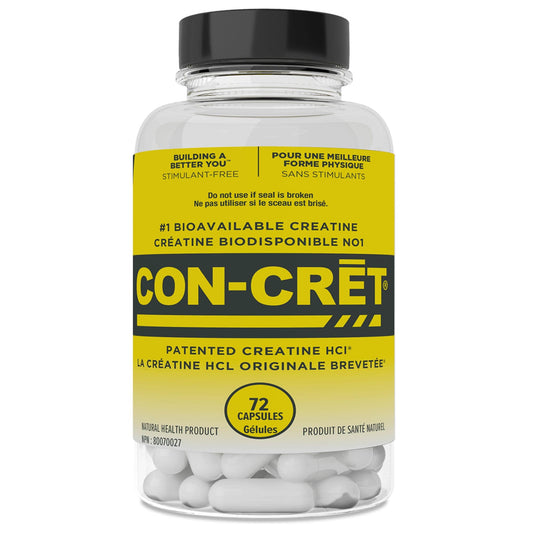
Creatine - Pills
Frequently Asked Creatine Pills Questions
Q1: What is creatine, and what is creatine used for?
Q2: What are the different types of creatine on the market?
Q3: What are the advantages and disadvantages of creatine?
Q4: Is creatine safe to take, and are there any side effects of creatine?
Q5: I want to build muscle and boost strength. Is creatine a good choice?
Q6: How and when should creatine be taken for optimal results?
Q7: What is the difference between taking creating powder and taking creatine pills?
Get instant access to...
FREE Report:(via email) |
|
Answers to Frequently Asked Creatine Pills Questions
Q1: What is creatine, and what is creatine used for?
A1: Creatine is a combination of three amino acids—methionine, arginine, and glycine. After creatine is ingested, it is released into the bloodstream and then delivered to the muscles, where just about all of it is stored. Creatine is typically used by weight lifters as well as athletes who engage in high-intensity, short-burst activities, as it has been shown to:
- Allow faster muscle gains
- Improve performance of repeated, short-burst exercise, like sprinting
- Increase lean body mass
- Boost power
- Increase agility
- Improve strength
Q2: What are the different types of creatine on the market?
A2: There are lots of different types of creatine on the market in Canada. So many, in fact, that telling the difference between them can be mystifying. Let's discuss some of the more popular types of creatine.
- Creatine monohydrate is the simplest and cheapest form of creatine on the market, and is also the most frequently studied. Essentially, creatine monohydrate is creatine that has been bound with water.
- Creatine phosphate is creatine that has been bound with a phosphate group. Creatine phosphate is more expensive than creatine monohydrate, but yields fewer grams of creatine than creatine monohydrate.
- Creatine citrate is water soluble and easy to mix, but contains fewer grams of creatine than other types. However, some experts believe that creatine citrate has a higher absorption rate than other types of creatine. Creatine citrate dissolves easily and is gentle on the stomach.
- Creatine malate is creatine bound to malic acid, which may allow for greater energy production. Creatine malate dissolves easily and is gentle on the stomach.
- Creatine tartrate is creatine bound to tartaric acid, which is helpful in manufacturing solid products like bars, tablets, capsules, and chewables.
- Magnesium creatine is creatine bound to magnesium, which aids in absorption.
- Ester creatine is one of the newest creatines on the market in Canada, and is essentially creatine bound to an acid and an alcohol. Proponents of ester creatine claim that it is absorbed and used better by the muscles than other types of creatine.
- Kre-alkalyn creatine is another new creatine that has gone through a patented technological process to ensure that creatine monohydrate is free of toxic conversion. Proponents of kre-alkalyn creatine claim you can take potent amounts of creatine needed to build muscle, strength, and endurance safely.
Q3: What are the advantages and disadvantages of creatine?
A3: Like all sports supplements in Canada, creatine has its advantages and disadvantages. Whether or not creatine is right for you depends upon your personal goals and needs.
Advantages of creatine include:
- Creatine improves the performance of sprinters and other athletes who require short but intense bursts of energy.
- Creatine is one of the most effective sports supplements when it comes to building muscle quickly.
- Creatine occurs naturally in our bodies and in many animal foods, and is not an artificial compound.
Disadvantages of creatine include:
- Side effects such as stomach upset, aggressiveness, acne, and hair loss have been reported.
- Stomach acid can convert creatine into a toxic substance called creatinine.
- Creatine supplementation does not benefit everyone.
Q4: Is creatine safe to take, and are there any side effects of creatine?
A4: Creatine occurs naturally in the body and can be found in many animal proteins. Creatine is not artificially created in a laboratory, and for the most part is associated with relatively few side effects. However, like all sports supplements, it’s very important to carefully follow the manufacturers instructions regarding usage and dosage for creatine safety. Improper use of creatine may cause:
- Digestive problems
- Aggressiveness
- Acne
- Anxiety
- Formation of male breasts
- Reduced penis size
- Hair growth in women
- Hair growth in men
Q5: I want to build muscle and boost strength. Is creatine a good choice?
A5: Creatine is an excellent choice. When it comes to supplying energy to the muscles and their nerve cells, creatine is one of the best sports supplements on the market in Canada. Creatine has been shown to help muscle re-growth, and can help a bodybuilder gain up to four pounds of lean muscle mass in just one week!
Q6: How and when should creatine be taken for optimal results?
A6: Be sure to follow the manufacturer’s directions, as taking additional amounts of creatine won’t create additional benefits, and could cause harm. If you are taking creatine monohydrate, most manufacturers suggest taking a dose of 5 grams four times per day during a week-long loading phase, and then tapering down to a maintenance dose of 3 to 5 grams per day.
Some of the newer, pre-mixed forms of creatine absorb significantly better than creatine monohydrate, and won’t require a loading phase. Many of these can be taken once or twice per day, around workouts. Again, always be sure to follow the specific manufacturer’s directions for best results.
Q7: What is the difference between taking creating powder and taking creatine pills?
A7: There are pros and cons to both creatine powder and creatine pills, and in general it’s really just a matter of personal preference. While creatine powders absorb better than creatine pills, they are not as convenient. However, you’ll pay a lot for the convenience of pills, as creatine pills can be more expensive per dose than creatine powder. Some people choose to use a combination of both—powder the majority of the time, and pills when convenience is important.
The products and the claims made about specific products on or through this site have not been evaluated by Vitamart.ca or the Canadian Food and Drug Administration and are not approved to diagnose, treat, cure or prevent disease. The information provided on this site is for informational purposes only and is not intended as a substitute for advice from your physician or other health care professional or any information contained on or in any product label or packaging. You should consult with a healthcare professional before starting any diet, exercise or supplementation program, before taking any medication, or if you have or suspect you might have a health problem. Vitamart.ca is not responsible for any statements or claims that various manufacturers make about their products or the general information provided for each product on this website. We cannot be held responsible for typographical errors or product formulation changes. Please consult with your own physician or health care practitioner regarding the suggestions and recommendations made at Vitamart.ca and especially before using any product sold on this website.


Cart is empty
Back to top