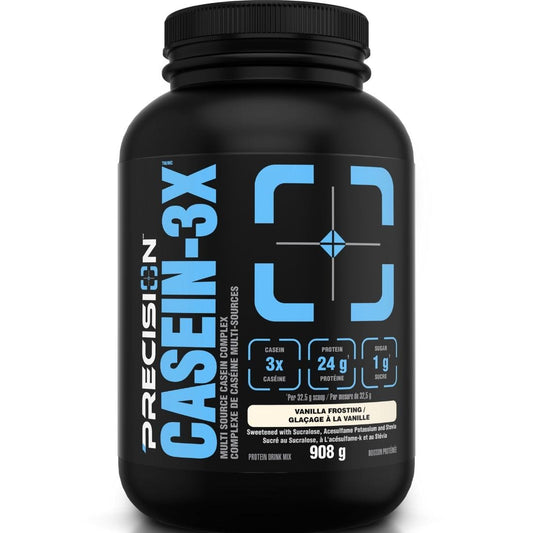
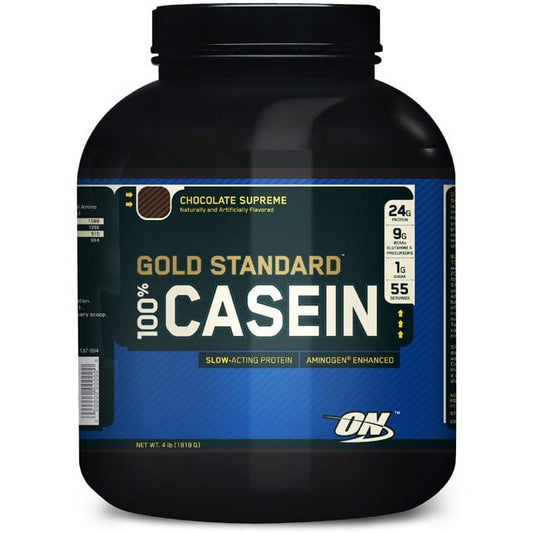
Casein Protein
Frequently Asked Casein Protein Questions
Q1: What is casein and milk protein made up of and how does it differ from other proteins?
Q2: How and when should casein and milk protein be taken for optimal results?
Q3: What are the advantages and disadvantages of casein and milk protein?
|
Answers to Frequently Asked Casein/Milk Protein Questions
Q1: What is casein and milk protein made up of and how does it differ from other proteins?
A1: Casein protein, sometimes called milk protein, is derived from milk using a special, chemical-free filtration process.
- Casein protein, or milk protein, is a slow-digesting protein that can take as long as seven hours to absorb.
- Casein protein powder, or milk protein powder, is the best source of protein when it comes to muscle repair, and is the only protein powder that should be taken at bedtime.
Q2: How and when should casein and milk protein be taken for optimal results?
A2: Since casein protein and milk protein are very slow to digest, they contribute significantly to muscle repair. Because casein protein powders and milk protein powders take up to seven hours to absorb and can sustain your body while you sleep, they should be taken at bedtime. When you've put a lot of effort into increasing your muscle mass, casein protein and milk protein are the perfect protein to ensure that your hard-gained muscle doe break down during sleep.
Casein protein powders and milk protein powders can be added to water, incorporated into "shakes" or "smoothies" with milk/juice, yogurt and various fruits, or added to baked goods.
Q3: What are the advantages and disadvantages of casein and milk protein?
A3: Like all proteins, casein protein and milk protein has its pros and cons. In order to figure out whether casein protein and milk protein are right for you, it's important to recognize your needs and goals.
Advantages of casein protein powder and milk protein powder include:
- Casein protein and milk protein contribute to muscle repair.
- Casein protein and milk protein are absorbed slowly, so are ideal for bedtime consumption.
- Casein protein and milk protein has fewer fat, carbohydrates, and calories than other protein powders.
Disadvantages of casein protein powder and milk protein powder:
- Casein protein and milk protein have a high lactose content, and can be hard to digest for those with food allergies.
- Casein protein and milk protein are not suitable for vegans.
- Casein protein and milk protein are slightly more expensive than whey protein.
The products and the claims made about specific products on or through this site have not been evaluated by Vitamart.ca or the Canadian Food and Drug Administration and are not approved to diagnose, treat, cure or prevent disease. The information provided on this site is for informational purposes only and is not intended as a substitute for advice from your physician or other health care professional or any information contained on or in any product label or packaging. You should consult with a healthcare professional before starting any diet, exercise or supplementation program, before taking any medication, or if you have or suspect you might have a health problem. Vitamart.ca is not responsible for any statements or claims that various manufacturers make about their products or the general information provided for each product on this website. We cannot be held responsible for typographical errors or product formulation changes. Please consult with your own physician or health care practitioner regarding the suggestions and recommendations made at Vitamart.ca and especially before using any product sold on this website.


Cart is empty
Back to top